In short
- Fear of being stared at in the gym is common, and researchers have studied it.
- In small studies, people who had been shamed about their weight were more likely to want to avoid exercise.
- You do not have to push through it on day one.
- Start at home for two to four weeks, visit at quiet hours with three exercises, and know what to say if someone comments.
- Training at home is also a fair choice.
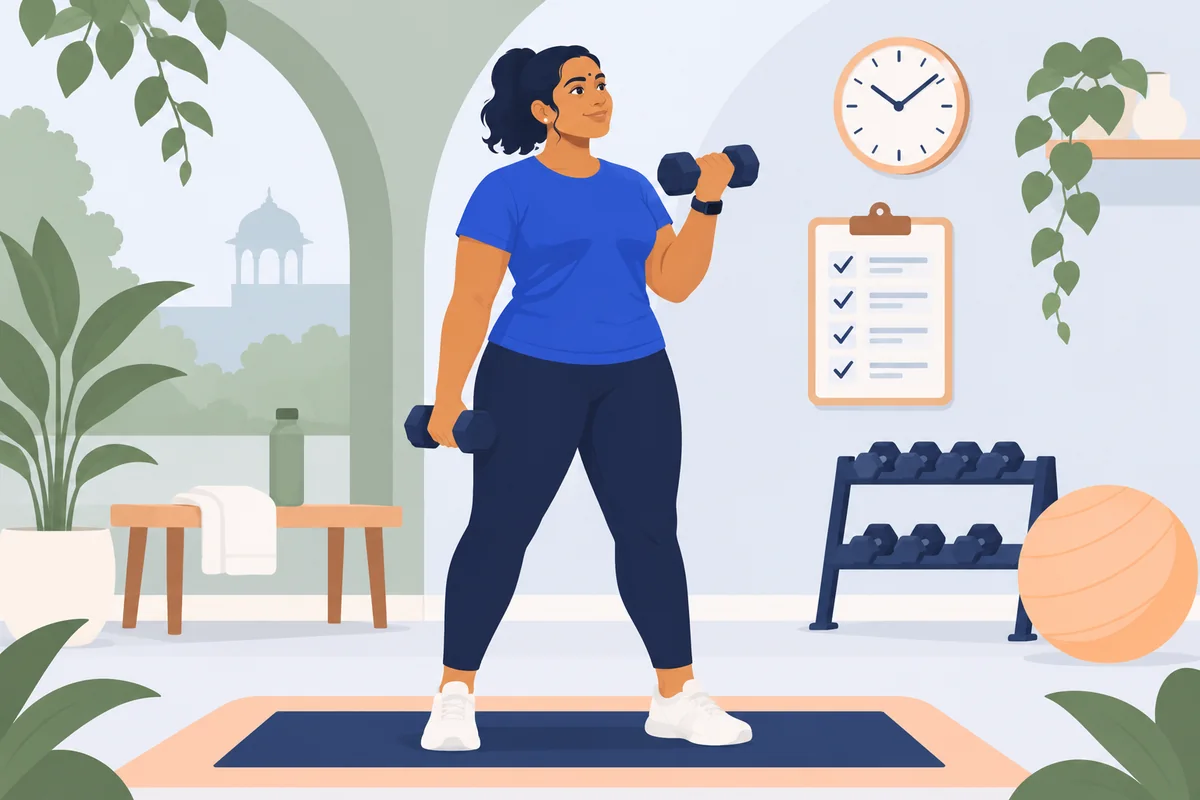
You may have joined a gym, walked in once and left. Or you have not joined at all because you can already picture the looks. The thought "log kya kahenge" (what will people say) is a heavy one to carry into a room full of mirrors. This is not weakness, and it is not laziness. It is a reaction to something that really happens to people in larger bodies, and the research on it is worth knowing. Below we cover what studies found, what a gym is usually like, a way in that keeps the fear small, and when training at home is the better fit.
A note on timing. Today is Monday, 16 November 2026. Many people plan to begin on Friday, 1 January 2027, and gyms are often busiest around then. If you start your home weeks now, you can walk into a gym in the new year already knowing what you will do. Our post on new year fitness resolutions looks at why January plans often fade.
Is gym anxiety common when you are overweight?

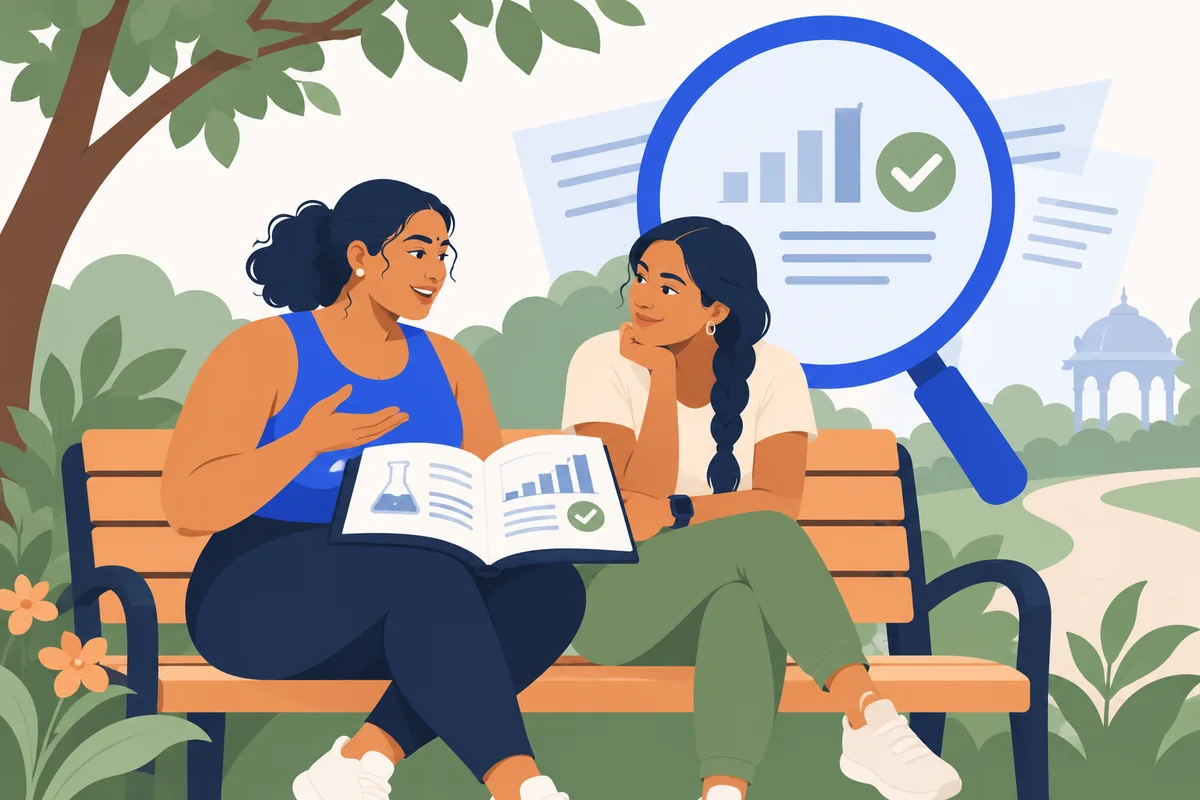
Yes, and researchers have tested the link between being shamed about weight and staying away from exercise. The studies below are small or observational, so they show a pattern, not a rule for every person.
- Vartanian and Shaprow, 2008: 100 female undergraduates (BMIs 17 to 38) completed questionnaires. Their experiences of weight stigma were related to a stronger wish to avoid exercise, even after the researchers accounted for BMI and body dissatisfaction. Exercise avoidance was in turn linked to less frequent strenuous and moderate exercise. The authors said stigma could potentially lower physical activity.
- Vartanian and Novak, 2011: 111 adults completed questionnaires. People who had experienced a lot of weight stigma and who had also taken on society's negative attitudes about weight were more motivated to avoid exercise. People low on those attitudes were relatively unaffected. The authors suggested that reducing this internalised bias might lessen the effect of stigma.
- A 2021 systematic review in the journal Obesity: it reviewed 38 studies on weight stigma and physical activity. Everyday discrimination and internalised weight stigma were linked to lower activity in most adult studies, and weight teasing in most youth studies, but the results were mixed and often indirect, and most adult studies were cross-sectional, so they cannot show cause.
Put plainly: when people have been judged for their size, avoiding places where that could happen is a common response. A 2015 review argued that stigma raises the urge to avoid places such as the gym. That is a theory the authors proposed, not a measured fact. We did not find a large Indian study on this question, so we do not claim these numbers describe your city or your gym.
What is a gym usually like for a beginner?

We have no study to cite for what everyone in a gym is thinking, so here is what many beginners report, as common experience and nothing more.
- Most people are busy with their own set, their phone or their music. Their attention is on their own next exercise.
- Many regulars remember their own first week and feel awkward about it too.
- Off-peak hours, such as mid-morning or mid-afternoon on weekdays, tend to be quieter than early morning and evening. Ask your gym when it is calm, because every gym differs.
- A few people will be rude, and that says something about them. You can plan for that, and we do below.
None of this makes the fear silly. It means the picture in your head is usually louder than the room. You can also test it gently, with a plan that asks very little of you on day one.
How do you start going to the gym when you are overweight?
Go in stages, so that each step is easy enough to repeat. This is our suggestion as coaches, not a protocol from a trial. For the general month-one routine, such as choosing a gym and logging sessions, see our guide on how to start going to the gym. This post only covers the part that worries you: being watched.
- 1
Weeks 1 to 4: practise at home
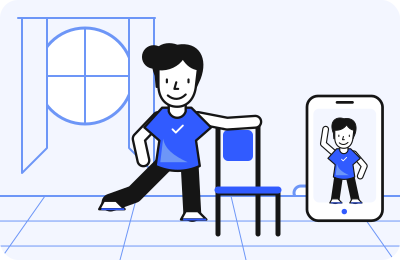
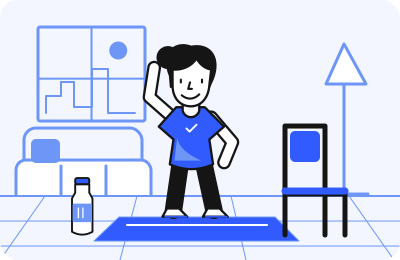
Do two to four weeks of short sessions in your living room. Learn a squat to a chair, a wall push-up and a marching walk. Our home workout plan for beginners gives you a start. By the time you reach a gym, the movements are no longer new, which removes one thing to worry about.
- 2
Visit once without exercising
Take a tour at a quiet time. Look at where the dumbbells, the mats and the stretching corner are. Notice which spots are tucked to one side. You are only collecting information.
- 3
Choose off-peak hours
Ask staff when the floor is emptiest and go then. Fewer people means fewer eyes and a free machine when you want one.
- 4
First visit: three exercises, 20 to 30 minutes
Pick three you already know from home, for example a leg press or goblet squat, a seated row and a walk on the treadmill. Do them, stretch and leave. Leaving on time is a win. The plan is to come back, not to prove anything.
- 5
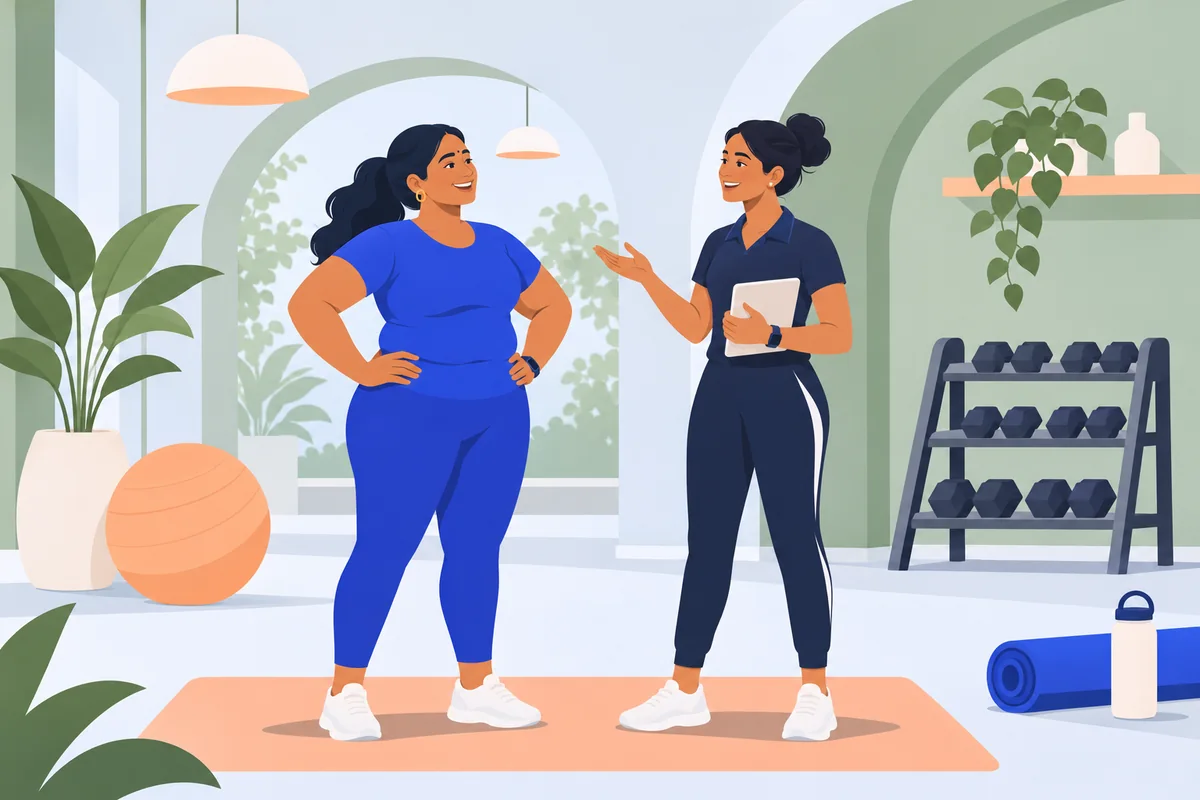
Say what you need to the staff
See the words in the table below. Many gym staff meet beginners every day.
- 6
Add one thing each week
A fourth exercise, five more minutes, or one busier time slot. Keep each change small enough that you could do it on a tired day.
| Situation | What you could say |
|---|---|
| Booking a tour | "I am new to gyms. When is it quietest here?" |
| Asking for help | "Can you show me how to set up this machine? I would like to start light." |
| Wanting space | "Is there a corner or a studio room I can use for floor work?" |
| Feeling pushed | "I will take the beginner plan first. I will tell you when I want more." |
What should you wear and bring?
- Clothes you can squat, bend and sweat in, and that you do not need to adjust all session. Comfort matters more than looking a certain way.
- Supportive shoes with a flat, grippy sole, and a small towel and water bottle.
- Headphones, if they help you feel in your own space. You can also write your three exercises on your phone, so you do not stand and wonder what comes next.
See a doctor first if any of this applies to you
Check with a doctor before you start if you have joint pain, a heart condition, diabetes, high blood pressure, or if you have had a long break from exercise. This post is general fitness information, not medical advice. Tell your doctor which exercises you plan to try, so they can say what is safe for you.
What if someone stares or makes a comment?

Most visits will pass without a word. If someone does stare or comment, you do not owe them an answer or an explanation. You have options, and none of them need a confrontation.
- Ignore and carry on. Turn to your next exercise, or put on your headphones. A comment that gets no reaction often ends there.
- Move to another spot. Going to a different corner is a sensible choice, not a defeat.
- Say one short line, if you want to. "I am working out, same as you" is enough.
- Tell the staff. Many gyms have a rule about harassment. Say what happened, who it was and when. A gym that does nothing is one you can leave for another.
- Leave early and return another day. One bad moment does not cancel your plan.
If a person follows you, touches you or keeps commenting, that is no longer a matter of thick skin. Report it to the gym's management and, if you feel unsafe, to the police.
Is gym anxiety different for women?

We can only report what we found a source for. A survey of more than 1,000 women and girls, commissioned by ukactive with This Girl Can and reported on Sport England's website, found that 50% of women with recent experience of exercising in fitness and leisure centres worry about being judged. Among women who feared judgement, 27% were more concerned about being judged by other women and 22% by men. This is a UK survey, so we cannot say the same figures hold in India.
Timing, travel and family duties can also shape when and where women in India can train, but we have no study to quote on that. If a women-only batch, a female coach or a home session would make showing up easier, those are fair things to ask for. Our guide to an online personal trainer for women explains what to expect.
When is training at home the better choice?
Sometimes the gym is not the right first step, and that is fine. Home may suit you better if the thought of the gym still makes your stomach drop after the practice weeks, if your joints need gentle movement first, or if travel and time keep eating your sessions. A home routine can be a base for the gym later, or a place you stay in.
This is where our own service fits. A live coach on a video call at home means nobody else is watching, and the coach works with the body you have today. If you want to know how that works for a larger body, read our guide to online personal training for overweight beginners.
| If you... | Home first | Gym soon |
|---|---|---|
| Dread being seen | Yes | Try off-peak hours |
| Have joint pain | Yes, after a doctor's check | After advice |
| Want machines and weights | Start light with dumbbells | Yes |
| Like being around people | Try a live class | Yes |
Whichever you choose, you do not have to change your weight to deserve a place to train. The aim of this plan is to make exercise feel safe enough to repeat. For the activity targets themselves, the NHS says adults should aim to do at least 150 minutes of physical activity over a week, and you can build up to that slowly.
Sources
- Effects of weight stigma on exercise motivation and behavior: a preliminary investigation among college-aged females (Vartanian and Shaprow, 2008), Journal of Health Psychology, via PubMed
- Internalized societal attitudes moderate the impact of weight stigma on avoidance of exercise (Vartanian and Novak, 2011), Obesity, via PubMed
- Is weight stigma associated with physical activity? A systematic review (2021), Obesity, via PubMed
- Weighed down by stigma: How weight-based social identity threat contributes to weight gain and poor health (2015), Social and Personality Psychology Compass, via PubMed
- Guidance to help leisure facilities appeal to more women, Sport England
- Exercise and health benefits, NHS
Written by the MakeMyFitness team from the sources above and reviewed by Kumar Abhishek, our lead coach (Diploma in Personal Training, K11 School of Fitness Sciences). First published , last updated . How we write and check our guides: editorial policy. This is general fitness information, not medical advice: see the medical disclaimer.