Myth
You have to keep changing exercises to “confuse” your muscles.
Fact
Muscles grow from doing the key lifts better over time. Changing everything constantly just makes progress harder to measure.
Build muscle the patient, proven way.
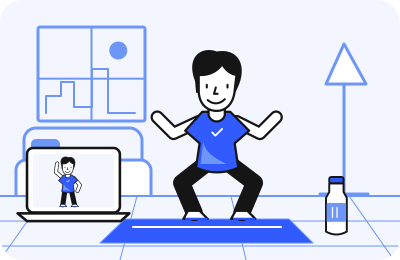
Muscle grows when you train hard enough, eat enough and recover well, and then keep doing it for months. There are no secret exercises. Your coach makes sure every set counts, adds load at the right pace and keeps your form clean, live on video at your gym or at home.
The essentials
Four principles do most of the work. Everything your coach plans comes back to them.
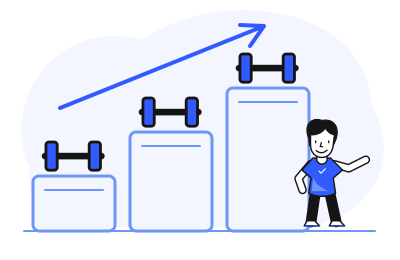
Muscles grow when they're asked to do a little more over time: more weight, more reps or better control. Your coach tracks every set so you keep progressing, week after week.
The last few reps of a set do most of the work. Most sets should finish with one to three reps left in the tank, and your form still solid.
Around 10–20 hard sets per muscle group each week, split over two or more sessions, suits most people. More isn't always better; recovery is part of the plan.
A small calorie surplus, plenty of protein and seven to nine hours of sleep give your body what it needs to build new muscle.
How we coach it
A clear path for your first few months. Your coach adjusts every stage to how you're progressing.
A typical week
A starting point, not a rulebook. Your coach shapes it around your schedule, your energy and your experience.
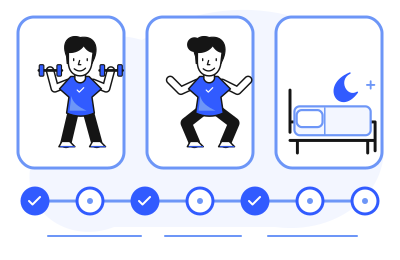
Upper body
45 min, coached live
Lower body
45 min, coached live
Recovery walk
An easy 20–30 minutes
Upper body
45 min, coached live
Lower body
45 min, coached live
Light activity
A walk, a game or mobility work
Full rest
Sleep in and eat well
Coached sessions are live, one-on-one video sessions with your coach.
Myths and facts
Bad advice is everywhere. Here's what the evidence and experience actually say.
Myth
You have to keep changing exercises to “confuse” your muscles.
Fact
Muscles grow from doing the key lifts better over time. Changing everything constantly just makes progress harder to measure.
Myth
You need supplements to build muscle.
Fact
Food comes first. Most people can meet their protein needs from meals; protein powder is a convenience, not a requirement.
Myth
You can't build muscle at home.
Fact
With dumbbells, bands or bodyweight exercises taken close to failure, you can build real muscle at home, especially in your first year or two of training.

Between sessions
Training is the signal to grow. What you eat and how you rest decide how much you actually build.
Aim for about 1.6–2.2 g per kg of body weight a day, from eggs, chicken, fish, paneer, curd, dal or soya, spread over three or four meals.
Eating around 200–300 calories above maintenance supports muscle growth while keeping fat gain to a minimum.
Muscle is repaired and built while you rest. Seven to nine hours of sleep make a visible difference to how well you recover.
Track what matters
These are the signs your coach checks with you, so you can see the change even on days the mirror doesn't.
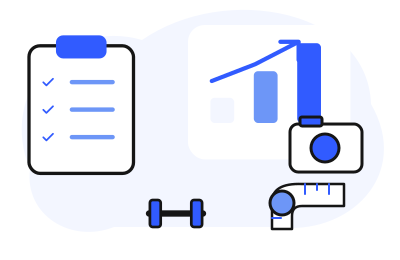
More weight or more reps with good form is the clearest sign you're building muscle.
Arms, chest and thighs measured every few weeks show growth the mirror might miss.
Photos in the same light every four weeks reveal changes you won't notice day to day.
A slow, steady rise means you're eating enough to grow. A sudden jump usually means extra fat.
Work out your numbers in under a minute. No sign-up.
How to train for it
Every program is coached live on video. Pick the one that suits where and how you like to train.
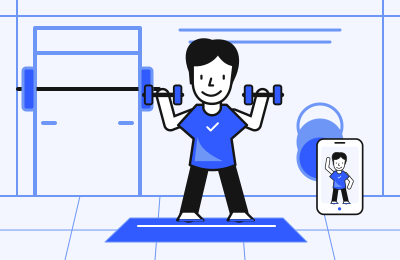
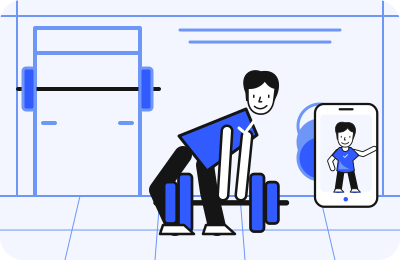
The best fit: barbells, dumbbells and machines, with your coach checking every set.
From ₹799 / session
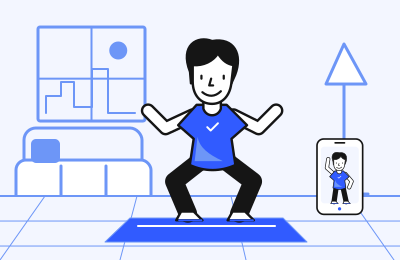
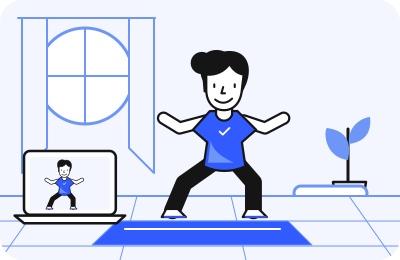
Build muscle with dumbbells, bands or bodyweight progressions in your own space.
From ₹899 / session
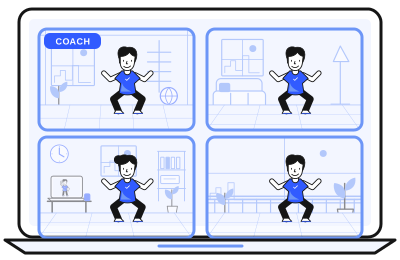
Strength-focused live classes, a sociable and affordable way to keep training.
From ₹499 / person
Book a session
We’ll call to confirm your coach, talk through your goals and send you a private video link.

Straight answers before you start.
Most people feel stronger within a few weeks and see visible changes after two to three months of consistent training. Muscle builds slowly, which is why a steady, long-term plan matters.