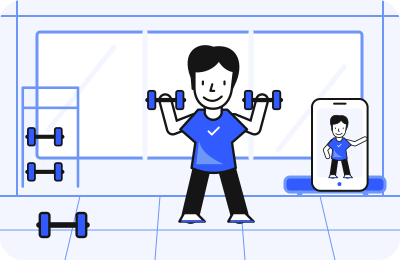
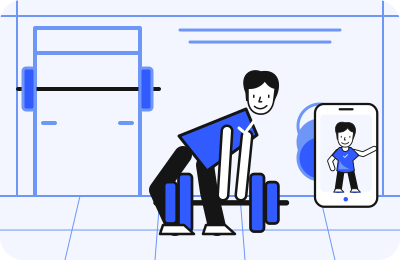
Myth
Crunches burn belly fat.
Fact
You can't choose where you lose fat. A calorie deficit reduces fat across your whole body; core work strengthens the muscles underneath.
Lose the fat. Keep the muscle. Keep the results.
Lasting fat loss doesn't come from eating as little as possible or sweating through endless cardio. It comes from a modest calorie deficit, strength training that protects your muscle, and daily habits you can actually keep. Your coach builds all three around your life, live on video.

The essentials
Four principles do most of the work. Everything your coach plans comes back to them.
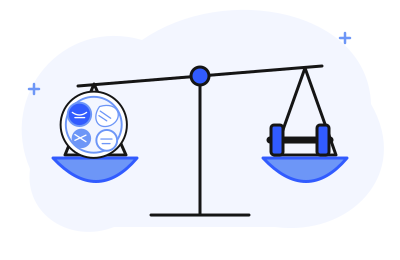
Fat loss happens when you take in a little less energy than you use. A deficit of roughly 300–500 calories a day brings steady progress without leaving you tired, hungry and short-tempered.
Strength work tells your body to hold on to muscle while you lose fat. That's what shapes how you look as the weight comes off, and it keeps you strong for everyday life.
Protein keeps you full and protects muscle in a deficit. Most people do well aiming for about 1.6 g per kilogram of body weight a day: dal, paneer, curd, eggs, chicken, fish or soya, spread across your meals.
Walking, taking the stairs and simply moving more through the day can burn more energy than the workout itself. Small, daily steps add up faster than you'd think.
How we coach it
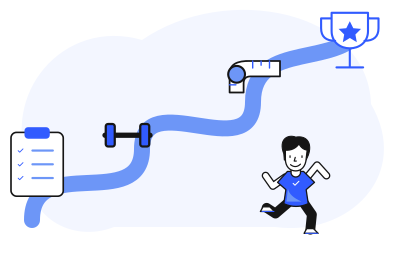
A clear path for your first few months. Your coach adjusts every stage to how you're progressing.
A typical week
A starting point, not a rulebook. Your coach shapes it around your schedule, your energy and your experience.
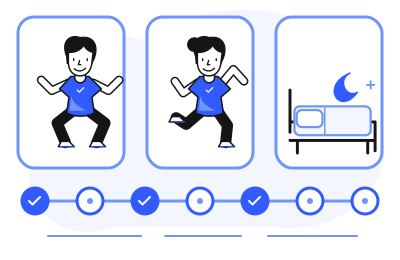
Full-body strength
45 min, coached live
Brisk walk
30–40 min, or 8,000 steps
Strength and conditioning
45 min, coached live
Easy movement
Walk, cycle or stretch
Full-body strength
45 min, coached live
Something you enjoy
A long walk, a game, a swim
Rest and plan
Prep a few meals for the week
Coached sessions are live, one-on-one video sessions with your coach.
Myths and facts
Bad advice is everywhere. Here's what the evidence and experience actually say.

Myth
Crunches burn belly fat.
Fact
You can't choose where you lose fat. A calorie deficit reduces fat across your whole body; core work strengthens the muscles underneath.
Myth
Skipping meals speeds things up.
Fact
Skipped meals usually turn into overeating later. Regular, protein-rich meals make a deficit far easier to stick to.
Myth
Lifting weights will make you bulky.
Fact
Building noticeable size takes years of deliberate effort and extra food. In a calorie deficit, strength training keeps you firm, not bulky.

Between sessions
What happens between sessions matters as much as the sessions themselves.
Build each meal around protein and vegetables, then add roti, rice or other carbs to suit your day. Nothing is banned; portions are what count.
Short sleep makes you hungrier and less patient with cravings. Protecting your sleep is one of the easiest wins in fat loss.
A daily step target keeps your energy use up without wearing you out before your strength sessions.
Track what matters
These are the signs your coach checks with you, so you can see the change even on days the mirror doesn't.
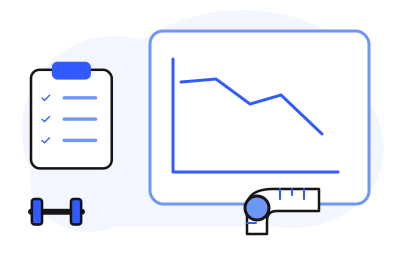
Measure at the navel once a week. It often moves when the scale doesn't.
Daily weight swings with water and salt. The weekly average shows the real trend.
Lifting the same or more while your weight drops means you're losing fat, not muscle.
Looser waistbands and monthly photos tell the story the numbers miss.
Work out your numbers in under a minute. No sign-up.
How to train for it
Every program is coached live on video. Pick the one that suits where and how you like to train.
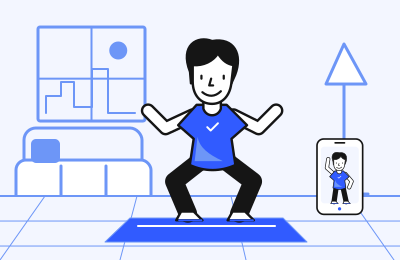
Train at home with no equipment needed: the easiest way to stay consistent, week after week.
From ₹899 / session
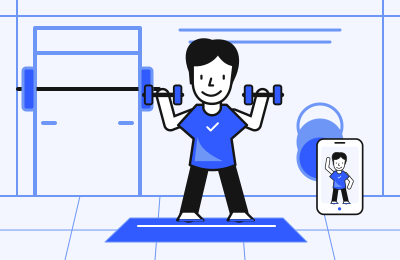
Already a gym member? Your coach makes every session count towards losing fat and keeping muscle.
From ₹799 / session
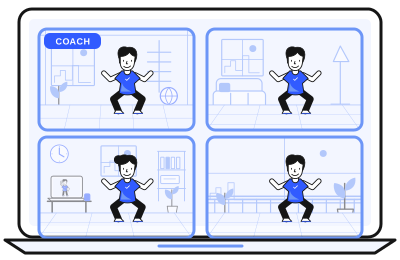
High-energy live classes keep you moving and motivated, for less per session.
From ₹499 / person
Book a session
We’ll call to confirm your coach, talk through your goals and send you a private video link.


Straight answers before you start.
Most people do well losing about 0.5–1% of their body weight a week. Faster than that tends to cost muscle and energy, and the weight is harder to keep off. Your coach sets a pace that suits you.