Rounded shoulders and shoulder pain are different questions
A shoulder that looks rounded in a photo is not the same thing as a painful shoulder. Appearance alone cannot tell a coach which structure is irritated or whether you need treatment. Start by separating what you have noticed: a posture you would like to change, discomfort during a particular lift, or symptoms during ordinary activities such as getting dressed. Each needs a more useful answer than banning all chest work.
The NHS shoulder-pain advice recommends gentle movement while avoiding activities that make symptoms worse. It also advises against inventing strenuous exercises or using heavy gym equipment during an unresolved problem. If pain is worsening, movement is very difficult or the problem is not improving, arrange assessment rather than trying to force the shoulder into a supposedly correct position.
Shoulder pain: exercises to pause or modify
| Movement | Reason to pause or review | What to discuss after assessment |
|---|---|---|
| Bench press | Pain on lowering, pressing or setting up the bar | Less load, a different grip, a shorter range or another pressing option |
| Deep dumbbell fly or dip | The stretched position repeatedly provokes symptoms | Leaving it out while an appropriate pressing range is established |
| Internal rotation | A loaded or forced range increases pain, or a postoperative restriction applies | Whether a clinician-selected rotation exercise belongs in rehabilitation |
| Overhead press or raise | Painful elevation or a movement you cannot control | A different angle, lighter resistance or a temporary alternative |
| Aggressive chest stretch | Pulling harder produces pain rather than comfortable movement | Whether stretching is indicated, and which range is appropriate |
The table is a conversation starter, not a test circuit. Do not try each painful movement in sequence to find out how much you can tolerate. Describe what happened during your normal session and which activities are currently difficult. If you have recent surgery or a diagnosed injury, its specific restrictions take priority over every modification suggested in a general fitness article.
Bench press: review the setup before returning to load

If bench pressing hurts, stop that set and set the weight down safely. A spotter and correctly positioned safety bars matter, but neither makes a painful lift appropriate. Do not keep repeating the same set with slightly different cues while the shoulder becomes more irritated. Note whether the discomfort occurs when lifting the bar out, lowering, pressing or returning the bar to the rack.
After assessment and exercise guidance, discuss the load, hand spacing, elbow position and depth together with the person supervising your return. A shorter range or lighter dumbbells may be considered, but they are not automatically painless. A floor press still involves moving and setting down weights. If the setup itself is difficult, a different option may be more practical than forcing a variation because it is often described as shoulder-friendly.
Choose one pressing variation and keep enough detail in your notes to reproduce it. Record the support surface, resistance and range you used. Do not combine several new presses on the first day back and then try to guess which one caused a later reaction. A successful return is a repeatable movement that suits your assessed needs, not a quick return to the number you lifted before the problem.
Internal rotation is not an exercise category to ban
Internal rotation describes movement of the upper arm at the shoulder. It is not a diagnosis and is not inherently an injury. The AAOS shoulder-conditioning program includes internal and external rotation among options selected under professional supervision. That directly contradicts the idea that every internal-rotation exercise should be avoided whenever shoulders look rounded.
There is still a difference between a clinician-prescribed movement at a manageable resistance and forcing an uncomfortable end position with a heavy band or weight. If your rehabilitation plan includes rotation, follow the instructed setup, range and dose. If it produces a new or worsening problem, ask the clinician to review it rather than deciding that the whole movement must be bad for everyone.
Avoid using a generic rotation drill as a self-test for a tendon injury. How a movement feels is useful information, but it does not identify the injured tissue by itself. Do not copy a band exercise from a video simply because its title mentions posture. The useful question is whether that exercise was chosen for your current situation and whether you understand how to perform and monitor it.
What to do about rounded shoulders during training
Describe the goal in terms of movement and comfort. You might want to reach a shelf comfortably, sit at work with fewer symptoms or learn a pulling exercise without shrugging excessively. These are clearer goals than trying to hold your shoulder blades squeezed together all day. Ask for an assessment if the shoulder position is new, markedly different from one side to the other or associated with symptoms.
Review the balance of your training week without assuming that a fixed ratio of rows to presses will correct posture. Record pushing, pulling, overhead work and other shoulder-demanding activities such as swimming or carrying bags. A coach can help make that workload manageable after assessment. Adding a long posture routine on top of an already tiring upper-body program may simply make the week harder to recover from.
If there is also a concern about an upper-back curve, read the kyphosis exercise guide. Rounded shoulders are not enough to diagnose kyphosis, and a posture photograph cannot establish whether a curve is flexible or structural. Keep the shoulder question and the spinal question separate until a qualified professional has explained what is relevant to you.
Make daily tasks part of the review
| Situation | What to note |
|---|---|
| Getting dressed | Which reach is difficult and whether this is changing |
| Desk work | Whether prolonged positions or arm support affect comfort |
| Sleep | Whether pain interrupts sleep or a particular position is difficult |
| Gym training | The exact exercise, range and point in the session when symptoms appear |
| Carrying or overhead tasks | Load, duration and whether symptoms spread down the arm |
Write this down before an appointment so you do not have to reproduce every symptom in the gym. Mention associated neck pain, tingling, loss of sensation or weakness. The neck-pain guide explains why symptoms involving the arm deserve more than a posture cue. An assessment can consider the broader picture rather than treating every upper-body symptom as a chest-training mistake.
A return-to-training checklist after assessment
- 1
Confirm the purpose of each exercise
Separate any rehabilitation exercises prescribed by your clinician from general training. Ask which movements you should currently avoid and what needs to happen before you try them again. A temporary restriction is easier to follow when its purpose and review point are clear.
- 2
Set up the exercise before adding effort
Check the seat, bench, grip and available support. Make sure you can get the weight into and out of position without a painful manoeuvre. For remote coaching, position the camera so your arm and torso remain visible through the agreed range.
- 3
Start with the agreed version
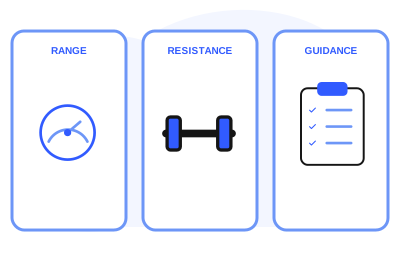
Use the range and resistance that have been selected for you. Leave enough rest to notice how the shoulder responds. Stop for new or clearly increasing symptoms, and follow your clinician's instructions about what degree of discomfort, if any, is acceptable during rehabilitation.
- 4
Review the response before progressing
Check whether normal reaching, dressing or sleep became more difficult afterwards. Report a worsening pattern instead of simply reducing the weight each time and continuing indefinitely. Progress one variable only when the current version is manageable and consistent with your plan.
Where physiotherapy ends and coaching begins
If you train in a shared gym, plan how to substitute when your agreed machine or bench is occupied. Do not treat every available chest exercise as an equivalent replacement. Ask in advance which alternatives fit the current plan, and keep the session shorter if the appropriate equipment is unavailable rather than improvising with an unfamiliar painful movement.
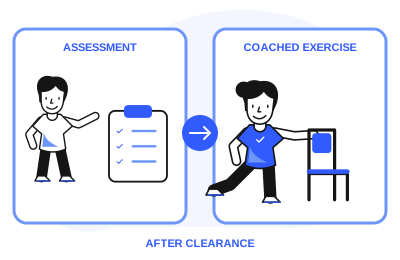
Physiotherapy can involve assessment, individual exercise and other care for problems affecting movement. Personal training has a different role: organising fitness sessions and following the exercise advice you have been given. A coach should not promise to diagnose impingement, repair a rotator cuff or permanently correct rounded shoulders through a video assessment.
Bring your exercise instructions to the first coaching session and explain what has changed since the assessment. If the original problem is unresolved, it is reasonable to return to the clinician before increasing training. Once you are cleared, you can build a routine around movements that suit you while keeping a route back to professional review. Our trainer versus physiotherapist guide explains that handover.
Sources
- Shoulder pain, NHS
- Rotator Cuff and Shoulder Conditioning Program, American Academy of Orthopaedic Surgeons
- Physiotherapy, NHS
- Warning Signs of a Heart Attack, American Heart Association
Written by the MakeMyFitness team from the sources above. First published , last updated . This is general fitness information, not medical advice: see the medical disclaimer.