What do people mean by a cervical problem?
Cervical refers to the neck region of the spine. People often use the word as shorthand for neck pain, stiffness or a scan finding, but those descriptions do not identify the same problem. Before choosing exercises to avoid, clarify whether you have a diagnosis, symptoms after an accident, pain that travels into an arm or stiffness associated with a particular activity. A gym coach should not fill in the missing diagnosis.
The NHS explains that cervical spondylosis involves age-related changes, and many people have no symptoms. A label on a report therefore does not create a single exercise rule for everyone. Ask what the finding means for your symptoms and whether there are restrictions on movement, resistance or sport. Keep the answer in plain language so it can be used during training.
Is forward neck bending something to avoid?
Looking down involves neck flexion, an ordinary movement. A blanket ban on forward bending is not a useful rule for every person with neck pain. The more relevant questions are whether the movement is comfortable, whether it is sustained or repeated, whether extra force or weight is involved, and whether your clinician has given a specific restriction. Those details change what a reasonable modification looks like.
If looking down repeatedly increases symptoms, pause the provoking activity and adjust it. For example, move a training screen closer to eye level rather than repeatedly dropping your head to read instructions between sets. Do not press on the back of your head to force a deeper stretch. A movement that was comfortable yesterday may still need review if it now brings on pain travelling down an arm.
The NHS neck-pain guidance favours keeping the neck moving when appropriate rather than using a collar unless advised. That is not permission to ignore a postoperative instruction, a fracture restriction or neurological symptoms. Comfortable ordinary movement and forceful loaded flexion are different decisions. Use the specific advice for your condition when you have it.
Gym movements and positions to review
| Situation | What to pause or change | A question for your clinician or coach |
|---|---|---|
| Forward neck bending | Forced stretches, added resistance or repeated bending that worsens symptoms | Which comfortable neck movements should I continue? |
| Crunches and sit-ups | Pulling on the head or repeatedly straining the neck | Would a different cleared trunk exercise fit better? |
| Rows and hip hinges | Holding the head lifted to watch a mirror or repeatedly turning sideways | Can the screen and camera be repositioned? |
| Overhead pressing | A painful head position or load you cannot control without straining | Should I change the angle, support or exercise for now? |
| Neck bridges or weighted neck work | Self-prescribed neck loading during an unresolved problem | Is direct neck strengthening appropriate for my diagnosis? |
Do not use this table to repeatedly provoke symptoms in front of a mirror. Start from the movements you already know are difficult. A professional can then decide whether the answer is an equipment adjustment, another exercise or further assessment. If you have been cleared to train, the exercise should still fit your current symptoms and not only the instructions from an older appointment.
Set up screens and mirrors before the workout
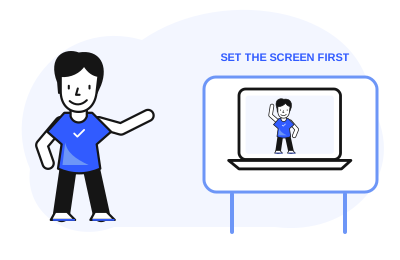
A live training session can become awkward if the phone is on the floor while you are standing, or far to the side while you are doing a row. Set the screen where you can receive instructions without repeatedly looking into a painful range. Ask the coach to demonstrate first, then observe your repetitions while you look in a comfortable direction. You do not need to watch yourself on screen throughout the set.
For a hinge or supported row, avoid chasing your reflection by lifting or turning your head every repetition. Find a comfortable head position that moves naturally with your trunk. A camera can record the movement for feedback afterwards. If you cannot find a comfortable position even with less load and a simpler setup, stop the exercise and discuss that limitation rather than adding more posture cues.
For floor work, check whether getting down, lying back or getting up is itself difficult. A different support or a standing alternative may be worth discussing after assessment. Do not assume that placing a towel under the head makes every floor exercise suitable. The whole sequence, including transitions, should fit the plan you have been given.
Gentle movement is different from forcing a stretch
The NHS flexibility resource includes gentle neck movements. Such general examples are not a personalised rehabilitation plan. If you have neck pain with a diagnosis or other symptoms, ask which movement, range and frequency are appropriate. A smaller comfortable movement is a reasonable discussion point; a stronger pull from your hand is not the automatic next step.
Avoid combining several unfamiliar neck drills because each promises to fix posture. If the neck becomes irritated later, you will have little idea which movement or total amount contributed. Follow a small, clear plan and know what should prompt a pause. Do not let a timer make you hold a stretch after symptoms begin spreading or changing.
If a professional has prescribed a chin movement or neck-strengthening exercise, ask them to show you the difference between that specific drill and simply forcing the chin down. Similar-looking movements can have different setups and purposes. Write down the instructions in your own words and check your understanding before adding it to an unsupervised session.
Look beyond the gym session
| Part of the day | Useful observations |
|---|---|
| Desk or phone use | How long you stay in one position and when discomfort starts |
| Travel | Whether carrying a bag or a prolonged seated position is difficult |
| Sleep | Whether pain interrupts sleep or the neck feels unusually restricted on waking |
| Exercise | The movement, load and point at which symptoms appear |
| Arm function | Any change in sensation, strength or hand coordination |
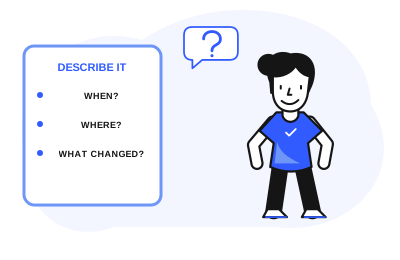
The goal is to notice patterns, not to monitor every neck angle all day. Change position when practical and arrange equipment so ordinary tasks do not repeatedly provoke discomfort. If turning your head is restricted, consider whether activities such as road cycling or driving can be performed safely; NHS advice specifically cautions against activities made dangerous by limited neck movement.
A useful note might say that the neck becomes uncomfortable late in a workday and that overhead training is then harder. That provides more context than calling your posture bad. If symptoms are not improving, become more widespread or affect function, take the record to a clinician. Do not use workstation adjustments as a reason to delay assessment of concerning symptoms.
Return to exercise with clear instructions
- 1
Clarify the diagnosis and current restrictions
Ask whether your plan concerns ordinary neck pain, a nerve problem, recovery after injury or another condition. Confirm which activities can continue and which should wait. Do not apply a friend's rehabilitation exercises to a different diagnosis.
- 2
Select exercises with manageable setups
Choose the cleared movements you can start and finish comfortably. Adjust screen placement, benches and equipment before loading the exercise. Avoid spending the first session back repeatedly testing positions you already know provoke symptoms.
- 3
Keep the first sessions easy to interpret
Use a small set of familiar exercises, with time to pause and report changes. Record the setup and work completed. When a clinician has supplied symptom limits, follow those instead of adopting a generic pain score from an online workout.
- 4
Use follow-up information to guide progression
Review both the session and later activities such as working, reaching and sleep. Increase only one feature of training when the current version is manageable. New neurological symptoms require medical review, not a routine coaching adjustment.
How online coaching can fit after clearance
Agree on a simple way to pause the session before starting. You should not have to keep moving while trying to explain a new symptom over a video call. Set equipment down, describe what changed and decide whether the exercise or the whole session should stop under the plan you have been given.
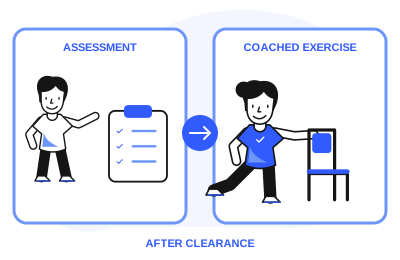
A trainer can help you arrange equipment, pace a session and follow agreed exercise guidance. They cannot diagnose cervical spondylosis, identify a trapped nerve or manipulate your neck through video. If your concern is mainly shoulder pain, the shoulder guide covers pressing and rotation separately. Do not assume that every symptom around the neck and shoulder has one explanation.
Share new symptoms before each session rather than waiting for the coach to notice a change in your movement. If you cannot safely turn your head, balance or handle equipment, the plan needs review before training continues. The trainer versus physiotherapist guide explains how a clinician's assessment can lead into general fitness coaching once appropriate.
Sources
- Neck pain, NHS
- Cervical spondylosis, NHS
- Flexibility exercises, NHS
Written by the MakeMyFitness team from the sources above. First published , last updated . This is general fitness information, not medical advice: see the medical disclaimer.